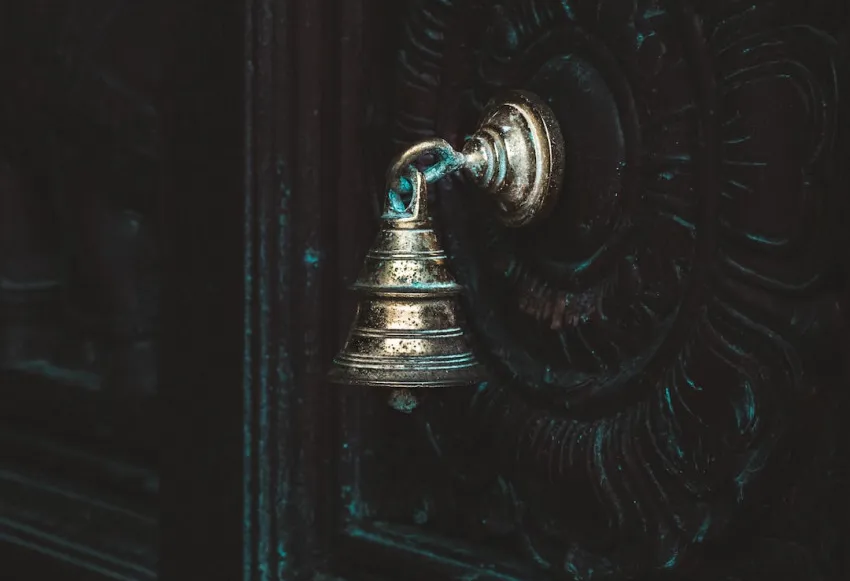
In today's fast-paced and demanding world, individuals often seek solace and blessings to navigate life's challenges. One such powerful symbol of blessings is the blessing bell. Whether it is religious or cultural in nature, the act of ringing a blessing bell holds profound meaning and is believed to invoke positive energy and divine favor. In this article, we will delve into the historical, cultural, and spiritual aspects of the blessing bell, exploring its significance and impact on individuals across different traditions.
The Origin and History of the Blessing Bell
Throughout history, bells have played a significant role in religious and cultural traditions worldwide. The tradition of using bells for sacred purposes dates back thousands of years, with evidence of their existence found across diverse civilizations. The blessing bell, specifically, has roots in various cultures, each imbuing it with unique symbolism and practices.
Ancient Origins and Cross-Cultural Influence
In ancient times, bells were used not only for practical purposes but also as instruments of communication and spiritual significance. From the temple bells of ancient Mesopotamia to the intricate handbells of China and the temple bells of Japan, these objects held great importance in religious, ritualistic, and cultural contexts.
The belief in the sanctifying power of bells transcended geographical and cultural boundaries. For instance, in medieval Europe, church bells were not only seen as an essential part of Christian worship but also as protectors against evil spirits. Similarly, in Tibetan Buddhism, the sounding of the dharma bell during ceremonies is believed to ward off negative influences and invite blessings.
Sacred Symbolism and Spiritual Significance
The blessing bell represents a potent symbol of spiritual connection and divine intervention. Its shape, material, and the act of ringing all carry inherent symbolism that varies across traditions. Here are a few examples of the sacred symbolism associated with blessing bells:
- Connection with the Divine: The ringing of the bell is often believed to create a bridge between the earthly realm and the divine. The vibrations produced by the bell are thought to carry prayers and intentions to higher spiritual planes, eliciting the attention and blessings of deities or higher beings.
- Purification and Cleansing: The resonating sound of the blessing bell is believed to dispel negative energies, purifying the space and the individual ringing it. In many rituals, the act of ringing the bell is performed to clear the mind, bring inner calm, and create an atmosphere conducive to prayer or meditation.
- Creation of Harmonic Balance: The bell's harmonious sound is often associated with balance and unity. It is believed to harmonize conflicting energies within an individual or a space, restoring equilibrium and promoting positive energy flow.
- Announcement and Invocation: In some traditions, the ringing of the blessing bell serves as an announcement or invitation of divine presence. Whether it is to initiate a sacred ritual, mark the beginning of a religious ceremony, or invite the attention of deities, the bell's sound carries deep significance.
Blessing Bells in Different Traditions
As the blessing bell traveled across cultures and evolved over time, it took on unique forms and practices. Let us explore some prominent examples of how blessing bells are used in different traditions:
1. Buddhist Tradition
Bells hold great significance in various Buddhist traditions, with each bell having specific symbolism and purposes. In Tibetan Buddhism, for instance, the Dorje and Bell are often used together during rituals and meditation practices.
The Dorje: Symbol of Enlightenment
The Dorje, a small, handheld ritual object, is often held in the right hand during Buddhist ceremonies. It symbolizes the indestructible state of enlightenment and is associated with the masculine principle. The Dorje's sound represents the thunderbolt, which is believed to destroy negativity and awaken wisdom.
The Bell: Calling for Wisdom and Compassion
The bell, known as the ghanta or dril-bu, is often held in the left hand during rituals, complementing the Dorje. It represents the feminine principle and is associated with wisdom and compassion. The bell's sound is believed to evoke the divine feminine energy and invoke spiritual blessings.
2. Hindu Tradition
Bells hold immense importance in Hindu temples, where they are rung during prayers, rituals, and ceremonies. The Hindu blessing bell, known as the Ghanta or Ghanti, is typically made of brass and carries rich symbolism within Hindu belief systems.
Announcing the Arrival of Deities
In Hindu temples, the ringing of the Ghanta marks the arrival of deities and informs the divine entities of the worshipper's presence. The sound also serves as a call to devotees, signaling the commencement of a religious ceremony or aarti (a devotional ritual involving the offering of light).
Driving Away Evil Spirits
The resonating sound of the Ghanta is believed to drive away evil spirits and negative energies. It is customary for devotees to ring the bell before entering the sacred space, purifying themselves and the environment from any potentially harmful influences.
3. Japanese Tradition
In Japan, the Suzu or Rin is a small, handheld bell used in various ceremonial and spiritual practices. Made of metal or other materials, the Suzu carries deep cultural significance in Japanese traditions.
Temple Rituals and Prayer
Japanese Buddhist temples often use bells during their rituals and ceremonies. The act of ringing the Suzu is believed to awaken the presence of Buddha and deities, creating a spiritual ambiance for devotional practices. The sound is considered melodic and soothing, providing a sense of tranquility and connection to the divine.
Warding Off Evil
Similar to other traditions, the Japanese believe that the sound of the Suzu wards off evil spirits and negative energies. It is customary to hear the ringing of these bells during Shinto rituals, where it is believed to purify the space and individuals participating in the ceremony.
Benefits of Using a Blessing Bell
Beyond the cultural and symbolic aspects, the act of ringing a blessing bell is believed to bring a range of psychological, spiritual, and energetic benefits. While the specific benefits may vary depending on one's belief system and personal experiences, here are some commonly mentioned advantages:
- Enhanced Focus and Mindfulness: The act of ringing a blessing bell can serve as a focal point, helping individuals ground themselves in the present moment and cultivate mindfulness.
- Increased Spiritual Awareness: The sound vibrations produced by the bell can stimulate the senses and heighten spiritual awareness, allowing individuals to connect with a higher power or their inner selves.
- Eliciting Divine Intervention: Whether it is seeking protection, guidance, or blessings, the ringing of the bell is perceived as a way to invoke divine intervention and assistance in navigating life's challenges.
- Creating Sacred Space: The sound of the bell is believed to transform ordinary spaces into sacred ones, enhancing the energy and promoting a sense of peace and harmony.
- Energetic Cleansing and Balancing: Ringing a blessing bell can help release stagnant or negative energies and restore balance to the energetic field, creating an environment conducive to healing and personal growth.
Choosing a Blessing Bell: Considerations and Recommendations
If you are interested in incorporating a blessing bell into your spiritual or personal practice, there are a few factors to consider:
- Intention: Clarify your purpose for obtaining a blessing bell. Whether it is for personal reflection, religious ceremonies, or meditation, understanding your intention will guide your selection process.
- Tradition: Research the specific traditions or cultures with which you resonate. Each tradition may have different styles, materials, and symbols associated with their blessing bells.
- Size and Weight: Consider the practicality of the bell's size and weight for your intended use. If you plan to carry it around or use it outdoors, a compact and lightweight bell might be more suitable.
- Material and Sound: Explore the different materials used in blessing bells, such as brass, bronze, or even crystal. Each material produces a distinct sound, so consider the qualities that resonate with you.
While there are various sources to obtain blessing bells, it is advisable to source them from reputable sellers who honor the cultural and spiritual significance of these sacred objects.
In Conclusion
The blessing bell represents a time-honored tradition that transcends cultural and religious boundaries. Whether used in Buddhist rituals, Hindu ceremonies, or other spiritual practices, the act of ringing a blessing bell holds profound symbolism and significance. By understanding its history, cultural context, and spiritual implications, individuals can harness the power of the blessing bell to invoke blessings, connect with the divine, and create sacred spaces in their lives. May the resonating sound of the blessing bell bring forth blessings, peace, and spiritual harmony to all who seek it.