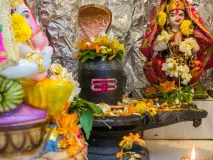
In a world filled with chaos and uncertainty, finding solace and peace is a constant pursuit for many individuals. One powerful way to cultivate a sense of peace and contentment is by embracing the practice of gratitude and acknowledging the blessings in our lives. Regardless of one's religious or spiritual beliefs, the act of expressing gratitude can have a profound impact on our mental, emotional, and even physical well-being.
Understanding the Concept of Blessings
What are Blessings?
Blessings are divine gifts or favors bestowed upon individuals by a higher power or deity. These blessings can take various forms, such as personal achievements, good health, positive relationships, and material abundance. They are seen as expressions of love, grace, and benevolence from a higher source.
Why Are Blessings Important?
Blessings hold significant importance as they serve as reminders of the goodness and beauty present in our lives. They shift our perspective from focusing on what is lacking to appreciating what is present. By acknowledging and embracing our blessings, we cultivate a positive mindset and create a ripple effect of gratitude that not only impacts our own lives but also extends to those around us.
The Transformative Power of Gratitude
The Science Behind Gratitude
Research in positive psychology has shown that practicing gratitude has numerous benefits for our well-being. Expressing gratitude activates the brain's reward center, releasing dopamine, a neurotransmitter associated with feelings of pleasure and motivation. This leads to an overall improvement in mood and a reduction in stress and anxiety.
Moreover, studies have demonstrated that incorporating gratitude into daily life can increase self-esteem, strengthen relationships, improve sleep quality, and boost resilience in the face of adversity. It also enhances empathy and reduces feelings of envy and resentment.
Gratitude as a Spiritual Practice
Beyond its psychological benefits, gratitude holds a special place in various religious and spiritual traditions. It is often seen as a pathway to cultivating a deeper connection with a higher power and recognizing the divine presence in our lives. Gratitude acts as a spiritual nourishment, fostering a sense of humility, contentment, and reverence for the blessings we have received.
Embracing Gratitude in Daily Life
Gratitude Journaling
One popular and effective way to cultivate gratitude is through the practice of gratitude journaling. This involves regularly writing down the things we are grateful for, either daily or weekly. By consciously acknowledging and appreciating our blessings, we train our minds to notice and focus on the positive aspects of our lives.
Counting Blessings in Challenging Times
During difficult times, it can be challenging to find blessings or reasons to be grateful. However, it is precisely during these moments that gratitude becomes even more potent. By actively seeking out silver linings, lessons, or sources of strength amidst adversity, we can experience a profound transformation in our perspective and emotional well-being.
Gratitude Rituals and Prayers
Many religious and spiritual traditions incorporate gratitude rituals and prayers as a way to express thankfulness to a higher power. These rituals may include offering prayers of gratitude, reciting blessings before meals, or dedicating time to reflect on and appreciate the blessings in one's life. These practices serve as constant reminders to be grateful and encourage a deepening of one's spiritual connection.
The Ripple Effect of Gratitude
Fostering Positive Relationships
Expressing gratitude not only impacts our own well-being but also has a ripple effect on the people around us. When we acknowledge and appreciate the blessings of others, it strengthens our relationships and creates a positive and supportive environment. Gratitude acts as a powerful connector, fostering empathy, understanding, and love.
Inspiring Others
Beyond our immediate circles, gratitude has the power to inspire and uplift those who witness it. By embodying gratitude in our words and actions, we become beacons of positivity and hope. Our gratitude can serve as a reminder to others to reflect on their blessings and adopt a mindset of appreciation, further spreading the ripple effect of gratitude.
Cultivating an Attitude of Gratitude
Mindfulness and Presence
Practicing mindfulness and being fully present in each moment allows us to recognize and appreciate the blessings that surround us. By grounding ourselves in the present, we become more attuned to the beauty and abundance of life, leading to a greater sense of gratitude.
Acts of Kindness
Engaging in acts of kindness towards others can also be a gateway to gratitude. By extending our generosity and compassion to those around us, we cultivate a sense of gratitude for the opportunity to contribute positively to someone else's life.
Finding Beauty in Nature
Nature offers a constant reminder of the miracles and blessings that exist in the world. Taking time to immerse ourselves in nature and appreciate its beauty can awaken a profound sense of gratitude for the wonders of the natural world.
Conclusion
In conclusion, embracing the practice of gratitude and acknowledging the blessings in our lives has the power to transform our perspective and enhance our well-being. Whether through gratitude journaling, prayers, mindfulness, or acts of kindness, we can cultivate an attitude of gratitude that permeates every aspect of our lives. By recognizing and appreciating our blessings, we not only bring joy and contentment into our own lives but also inspire and uplift those around us. May we all strive to bless the Lord at all times and find solace in the power of gratitude.